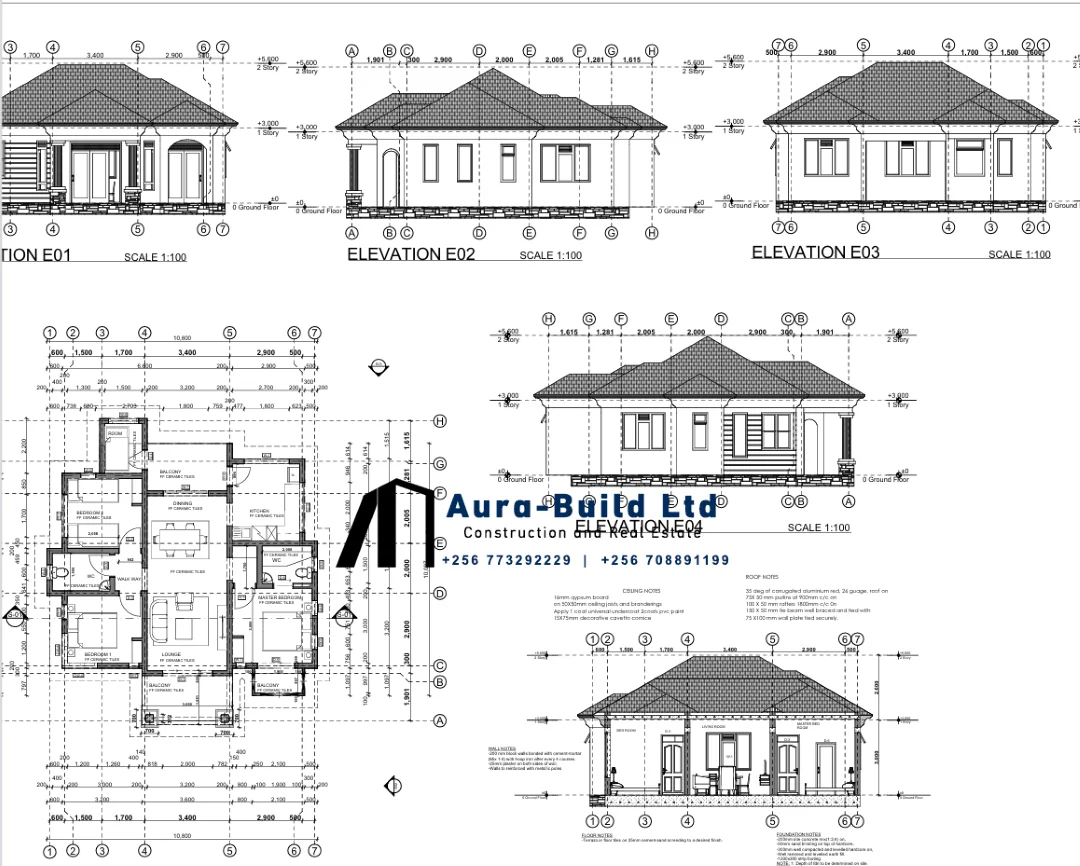
Uganda's construction and real estate sector is expanding rapidly, with unprecedented private and institutional developments across Kampala, Wakiso, Mukono, and regional commercial centres. However, committing capital to building in Uganda carries substantial risks if developers partner with unvetted contractors or informal building groups. This guide provides an objective, evidence-based evaluation framework to help property developers, commercial property owners, and private investors select the most capable construction companies in Uganda in 2026.
Whether you are developing a multi-family apartment complex in Kololo, an institutional health facility in Nsambya, or a high-end country residence in Kabale, selecting the right building contractor is the single most decisive factor dictating your structural longevity, timeline compliance, and financial safety.
Key Takeaways for Developers:
- Never evaluate building contractors solely on lowest price per square meter; low bids frequently hide substandard concrete mixes, inadequate steel rebar, and lack of site engineering.
- Always confirm current professional registration with the Engineers Registration Board (ERB) and the National Building Review Board (NBRB).
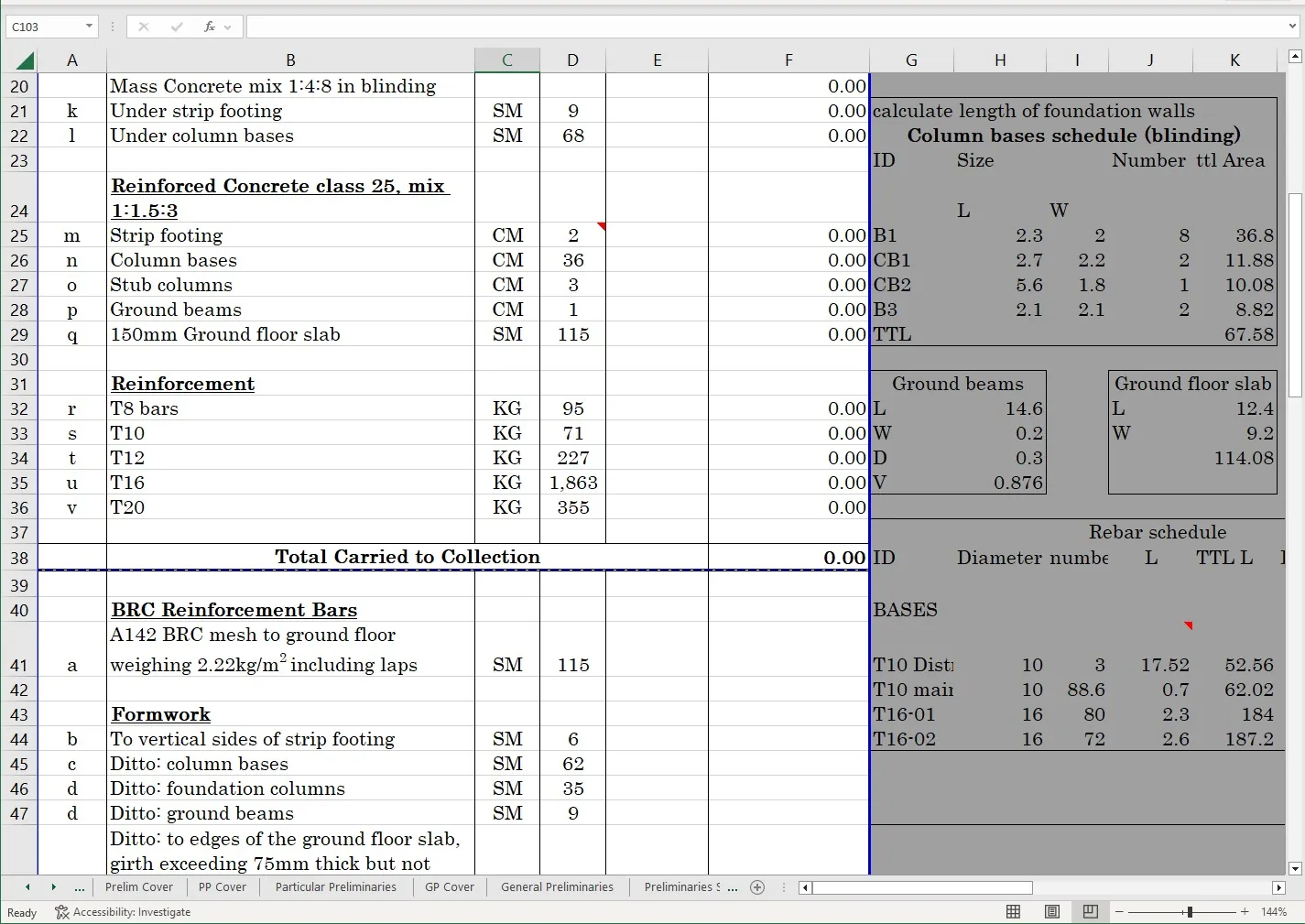
- Require a complete, itemized Bill of Quantities (BOQ) with transparent material specifications before signing any works contract.
What to Look for in a Ugandan Construction Company
Professional building contractors in Uganda differentiate themselves from informal "fundis" through structured management, technical accountability, and statutory compliance. When vetting candidates, evaluate the following six core criteria:
1. Regulatory Compliance & Statutory Registration
Under the Uganda Building Control Act and regulations enforced by KCCA and district authorities, building projects must be supervised by qualified, registered professionals. Legitimate companies possess:
- URSB Incorporation: Formal legal registration as a limited liability company.
- ERB / UIPE Affiliation: Practicing civil and structural engineers registered with the Engineers Registration Board.
- UNABCEC Classification: Membership in the Uganda National Association of Building and Civil Engineering Contractors, which categorizes firms by financial and technical capacity (Class A+, A, B, C, etc.).
- KCCA & NBRB Accreditation: Experience navigating the digital Building Industry Management System (BIMS) for statutory plan approval and site permits.
2. Engineering-Led vs. Artisan-Led Approach
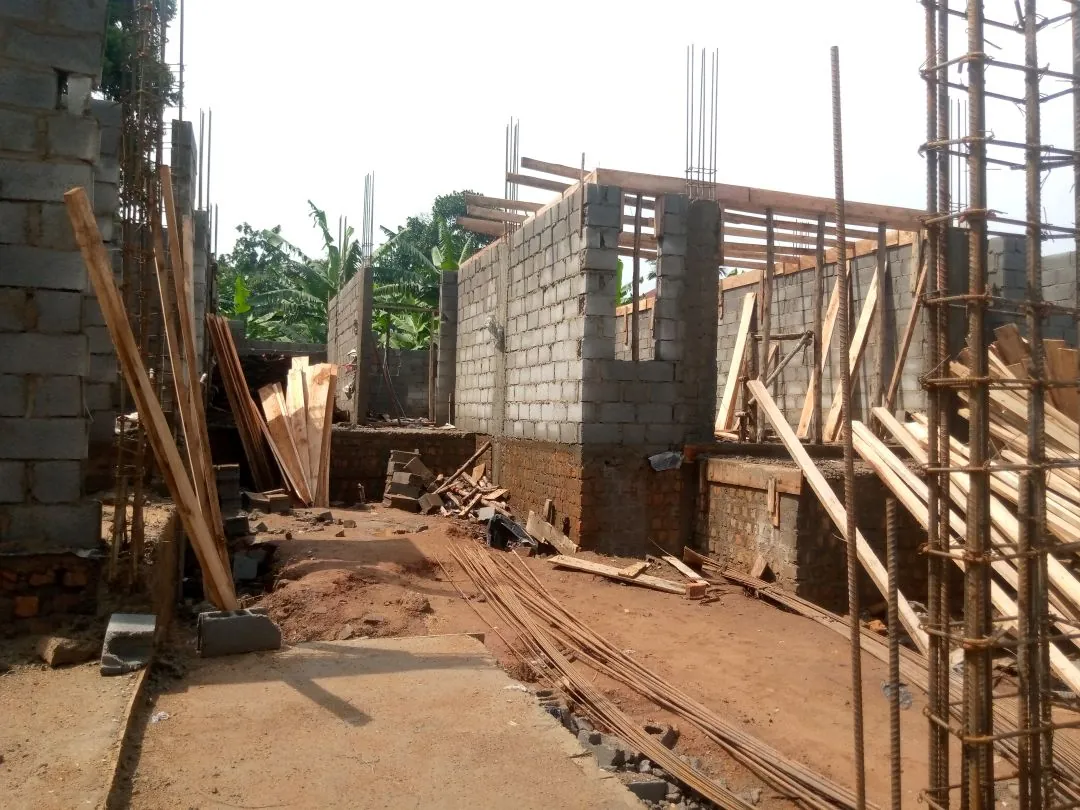
One of the primary causes of structural failures and building collapses in the Greater Kampala Metropolitan Area is the absence of daily civil engineering supervision. A premier construction firm deploys resident civil engineers or qualified clerks of works on site daily to supervise:
- Slump testing and concrete batching ratios (CEM I 42.5N vs CEM II 32.5).
- Correct placing and bending of TMX B500C high-tensile steel rebars.
- Compaction of sub-base hardcore and moisture barrier installation.
- Proper formwork striking times to prevent catastrophic deflection of suspended slabs.
3. Equipment Capacity & Plant Ownership
A contractor's ability to maintain schedules depends on immediate access to reliable equipment. Evaluate whether the company maintains its own fleet or reliable leasing partnerships for heavy earthmoving machinery, mechanical concrete mixers, concrete vibrators, steel scaffolding systems, and total station surveying equipment.
4. Contract Transparency & Priced Bills of Quantities (BOQs)
Reputable contractors do not provide single-page lump-sum quotes. They provide comprehensive, standardized Bills of Quantities structured according to standard measurement conventions. Every item—from excavation volumes to cubic meters of reinforced concrete—should have an itemized unit rate. This transparency eliminates surprise variations and budget disputes halfway through construction.
Need a Independent Construction Review?
Have Aura Build Ltd's registered civil engineers review your architectural drawings and contractor tenders before you break ground.
Uganda's Leading Construction Companies & Civil Engineering Firms
The Ugandan construction market features several established, large-scale tier-1 contractors primarily serving government infrastructure, major international institutions, and large commercial developments, alongside specialized engineering-led firms serving mid-scale developers. Below are recognized firms operating in Uganda:
1. ROKO Construction Ltd
Founded in 1969 by Max Rohrer and Heinz Kohler, ROKO Construction is one of Uganda's oldest and most renowned building contractors. Operating for over five decades, ROKO has delivered landmark institutional and commercial infrastructure across East Africa, including the Uganda Cancer Institute, JLOS House, Mapeera House, and major banking headquarters. The company maintains extensive precast concrete divisions, mechanical workshops, and joinery manufacturing facilities.
2. Dott Services Ltd
Dott Services is a premier Ugandan civil engineering and infrastructure contractor specializing in heavy civil works, highway construction, bridges, water supply infrastructure, and electrical transmission projects. With operations extending across Uganda, South Sudan, and Tanzania, Dott Services is a major player in national road network execution (such as the Iganga-Tirinyi and Kagamba-Ntungamo corridors) and large-scale public sector tenders.
3. Ambitious Construction Company Ltd
Established in 1991, Ambitious Construction Company has grown into a major Class A+ contractor in Uganda, employing over 1,500 personnel. The firm has delivered extensive commercial office towers, industrial factories, educational complexes, and large-scale water irrigation schemes (such as the Olweny Irrigation Project in Lira). They maintain a strong reputation for industrial and institutional builds.
4. Babcon Uganda Ltd
Incorporated in 1984, Babcon Uganda Ltd has maintained over 40 years of continuous operation in building and civil engineering construction. Operating as a registered Class A+ contractor, Babcon has executed numerous educational campuses, secondary schools for the British Council, medical facilities, and commercial complexes across diverse districts of Uganda.
5. Seyani Brothers & Co. (U) Ltd
Formed in 1978, Seyani Brothers has established an extensive regional presence across Uganda and East Africa. Known for high-quality finishing, hospitality developments, and MEP (mechanical, electrical, plumbing) integration, the firm has delivered notable luxury safari lodges (including Paraa Safari Lodge developments), corporate offices, and university facilities.
6. Mutoni Construction Uganda Ltd
Mutoni Construction is a prominent civil engineering contractor recognized for earthworks, concrete block manufacturing, telecommunications infrastructure, logistics warehouses, and commercial industrial developments. They operate specialized site preparation, asphalt paving, and heavy concrete logistics across Uganda and Rwanda.
7. Krishna Construction Company Ltd
Operating in Uganda since 1999, Krishna Construction focuses on commercial complexes, healthcare facilities, residential apartment developments, and educational institutions. They have executed projects in partnership with prominent private sector developers and international organizations.
Where Mid-Scale Developers Find Value: The Engineering-Led Design & Build Model
While tier-1 mega-contractors dominate billion-shilling national highways and hospital complexes, they are frequently cost-prohibitive for private property developers, apartment builders, and institutional investors undertaking projects between 200 million and 5 billion UGX. Conversely, hiring uncertified local builders often leads to severe design errors, structural cracks, delayed timelines, and massive cost overruns.
This reality has driven the rise of the Civil Engineering-Led Design & Build Firm in Uganda. Companies like Aura Build Ltd bridge this critical market gap by offering institutional-grade engineering discipline tailored for:
- Multi-Family Residential & Apartment Developments: Complete structural modeling, architectural planning, and turnkey execution (e.g., Aura Build’s Kololo, Najjera, and Kireka apartment projects).
- Commercial Buildings & Office Renovations: Spatial conversion, defect rectification, and modern commercial upgrades (such as the Xavier House institutional renovation in Nsambya).
- High-End Bespoke Country Homes: Complex hillside foundation design, robust substructure engineering, and full BOQ cost control across Uganda (including Kabale, Mbarara, and Kyenjojo).
Integrated Design
Architectural drawings and structural calculations designed collaboratively to prevent costly on-site clashes.
Itemized BOQs
Detailed quantity surveying and transparent 2026 material market rates that lock in your budget upfront.
On-Site Supervision
Direct site execution managed by registered engineers, ensuring material testing and quality control.
How to Choose the Right Contractor: A 5-Step Developer Checklist
- Conduct a Physical Site Visit of Completed Projects: Never rely exclusively on glossy digital renders. Visit at least two projects completed by the contractor within the last three years. Inspect the concrete finishes, roof alignment, and check for hairline foundation settlement cracks.
- Speak Directly to Previous Clients: Ask past clients about timeline adherence, unexpected cost variations, contractor responsiveness, and whether the project was handed over on budget.
- Mandate Geotechnical Soil Investigation: A competent contractor will never specify foundation dimensions without first analyzing soil bearing capacity. If a builder suggests skipping soil testing to "save money," dismiss them immediately.
- Ensure Written, Staged Milestone Contracts: Contracts should tie payments strictly to verified engineering milestones (e.g., completion of substructure, casting of first suspended floor slab, completion of roofing shell) rather than arbitrary calendar dates.
- Confirm Defect Liability Period (DLP): Ensure your contract includes a mandatory 6 to 12-month Defect Liability Period during which a retention amount (typically 5% to 10%) is held until all structural and finishing snags are rectified.
Frequently Asked Questions
Planning a Building Project in Uganda?
Consult registered civil engineers before you commit capital. Get expert advice on design feasibility, municipal approvals, and itemized project costing.