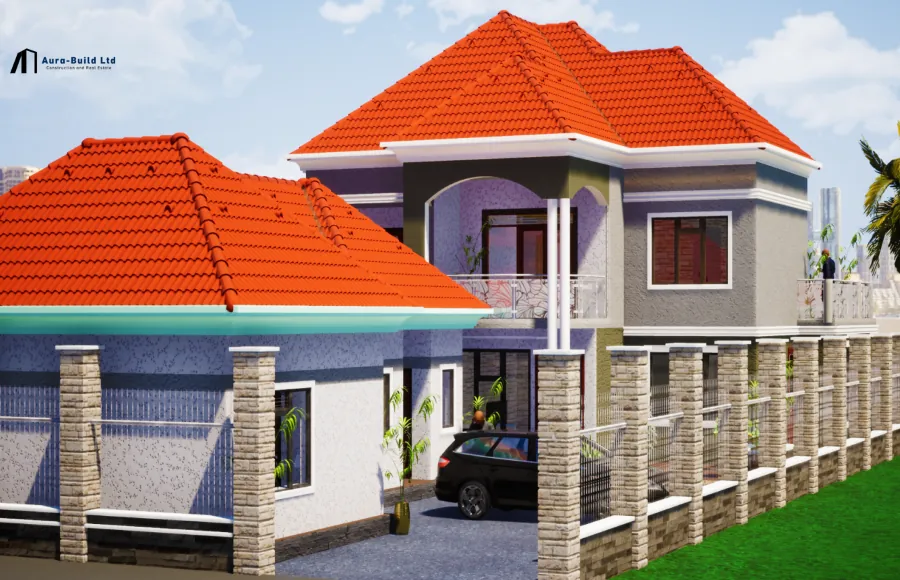
Architectural Design For Buildable, Approvable, and Cost-Aware Projects
A successful building begins with a design that balances spatial requirements with technical feasibility. For property owners and developers in Uganda, architectural design is the critical first step in defining project scope, ensuring municipal compliance, and establishing a clear path for downstream engineering.
Architectural design is the process of translating land dimensions, technical constraints, and client requirements into coordinated spatial layouts. It defines the building's geometry, functionality, and spatial relationships while ensuring it meets statutory building codes and local zoning requirements.
Why It Matters & When It Is Needed
Accurate architectural design is the prerequisite for all subsequent engineering and costing. It ensures that the proposed structure is legally permissible on the plot, functionally viable, and provides a precise baseline for structural engineers to calculate load requirements and quantity surveyors to extract material volumes.
Architectural design is typically needed immediately after land acquisition and site surveying, and before any structural calculations or cost estimations are performed.
Typical Outputs
Concept layout proposals
Detailed floor plans and building sections
Elevation drawings
Door and window schedules
3D spatial models
Municipal approval documentation
What It Typically Involves
Site visit and zoning compliance assessment
Concept design and spatial planning
Development of floor plans, elevations, and sections
Design coordination with structural and MEP requirements
Preparation of formal municipal approval drawings
Technical adjustments based on feasibility assessments
Where It Fits In The Project Journey
Surveying Architectural Design Geotechnical Structural Design BOQ Construction
Featured Case Studies
See examples of architectural design work and residential development concepts by Aura Build.
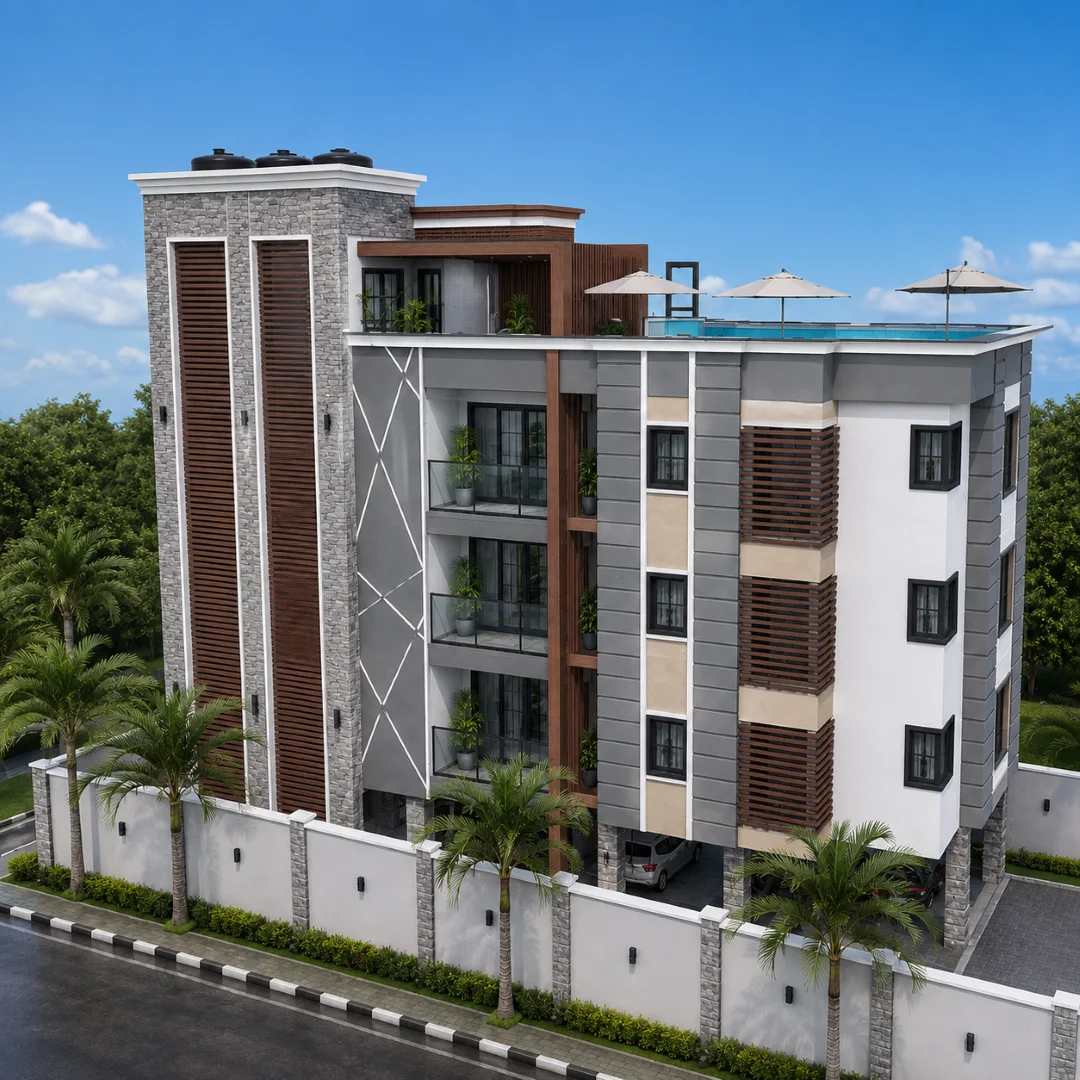
Kololo Residential Apartment Design
Contemporary multi-family apartment design with covered ground-floor parking, private balconies and a rooftop swimming pool terrace.
View Case Study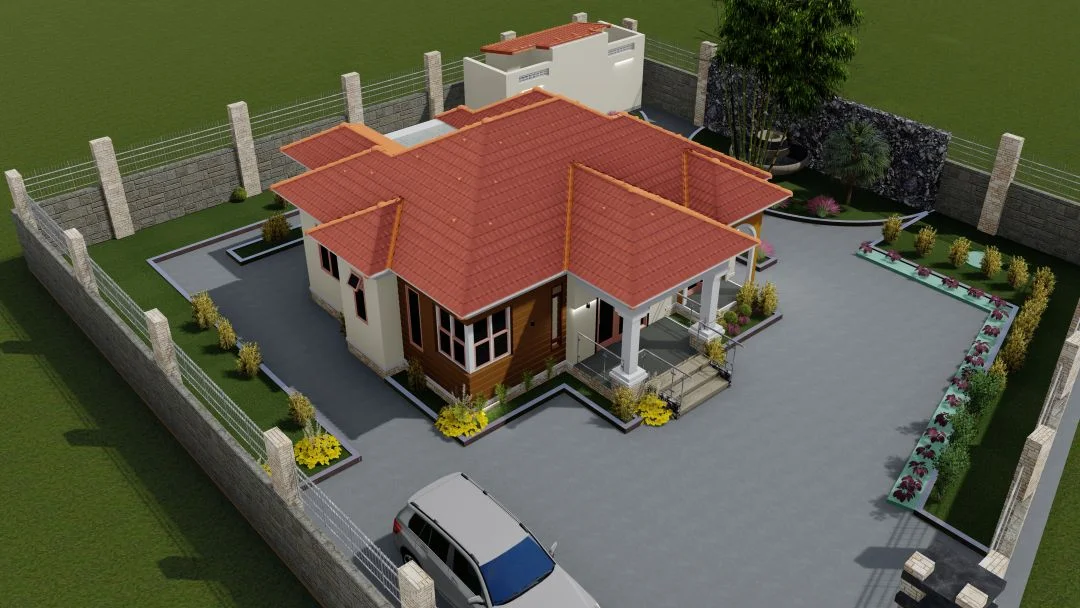
Gombe Residential Design Project
Residential architectural design developed around the client's site requirements, planning needs and intended building use.
View Case Study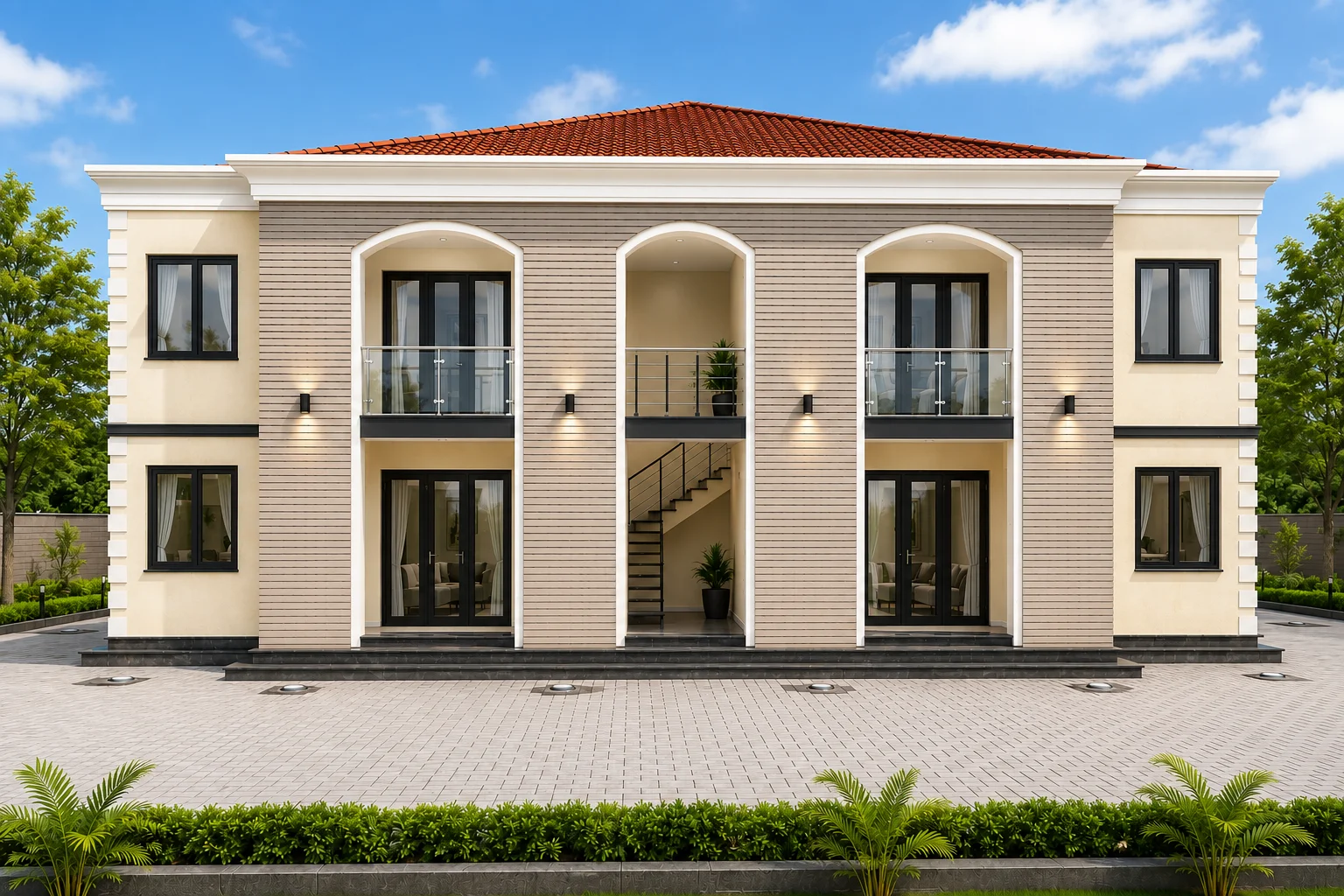
Najjera Multi-Family Residential Design
Multi-family residential design with balanced façade proportions, upper-level balconies, central access and a pitched tiled roof.
View Case StudyReady to Take the Next Step?
Review your land, project brief, and next steps with an architectural design consultant.