If you're building a house, an apartment block, or a commercial plaza in Uganda, you've probably heard of a Bill of Quantities (BOQ). In simple terms, it's the financial blueprint of your project. It lists every single brick, bag of cement, and hour of labor needed to finish the building, along with their prices. When a qualified Quantity Surveyor (QS) prepares it honestly, it protects you from overspending.
But when manipulated, a BOQ becomes a powerful tool for stealing money. In Uganda's construction industry, fake or inflated BOQs cost property developers an estimated 15% to 30% in hidden losses. Here is a breakdown of how the fraud works, and what you can do to stop it.
The Five Tricks Used to Hide Money in a BOQ
1. The "Ghost" Items
These are materials or labor listed in the budget that don't actually exist in the building design. For example, a BOQ might charge you for "deep concrete foundations (450mm)" when the architect's drawings only show standard 300mm foundations. That extra 150mm of concrete is paid for by you, but it never goes into the ground.
2. Inflating the Numbers
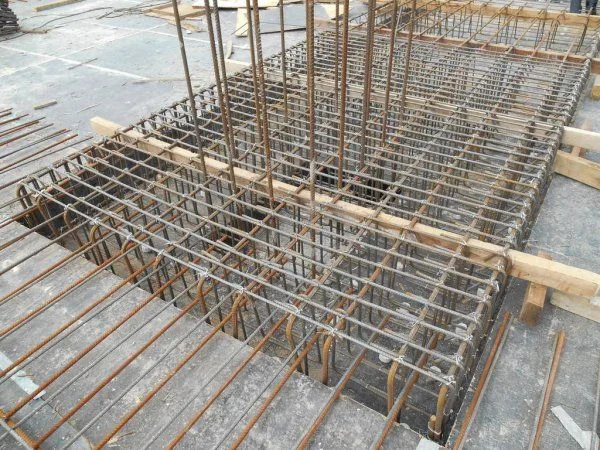
This is the oldest trick in the book. If your building actually needs 200 bags of cement, the BOQ might list 280 bags. If it needs 45 tonnes of steel, the BOQ says 62 tonnes. You end up paying for building materials that are secretly kept as pure profit or used on another site.
A Real-World Example
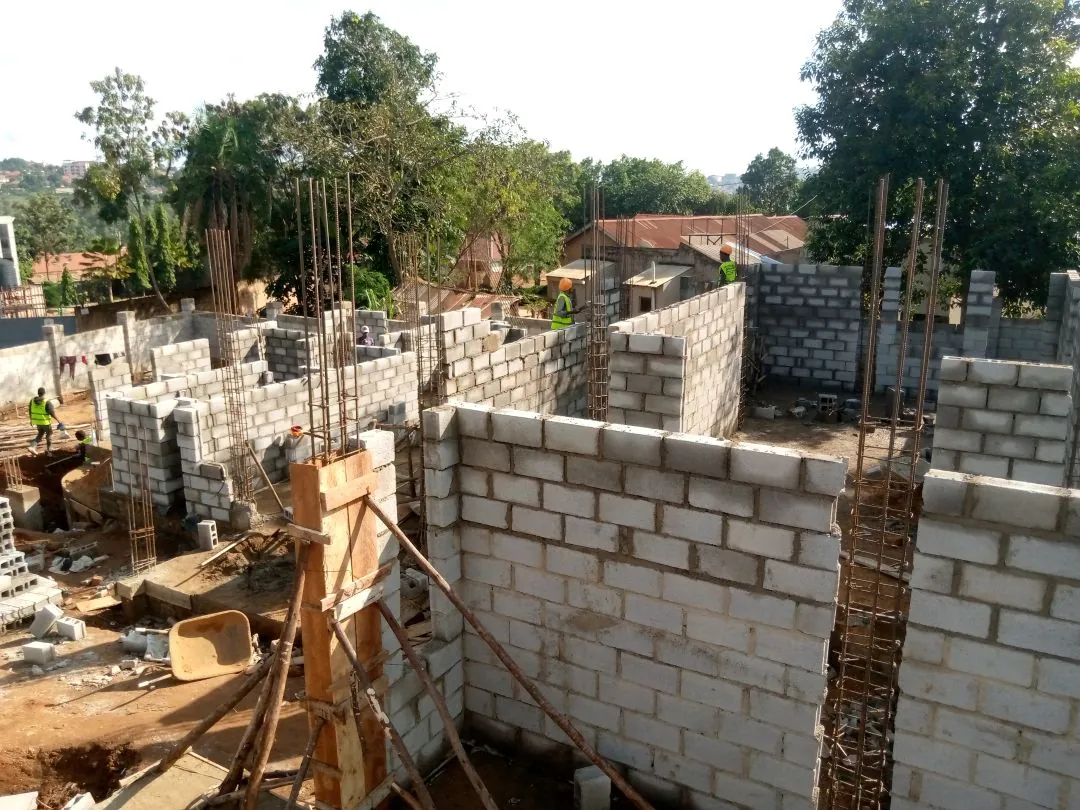
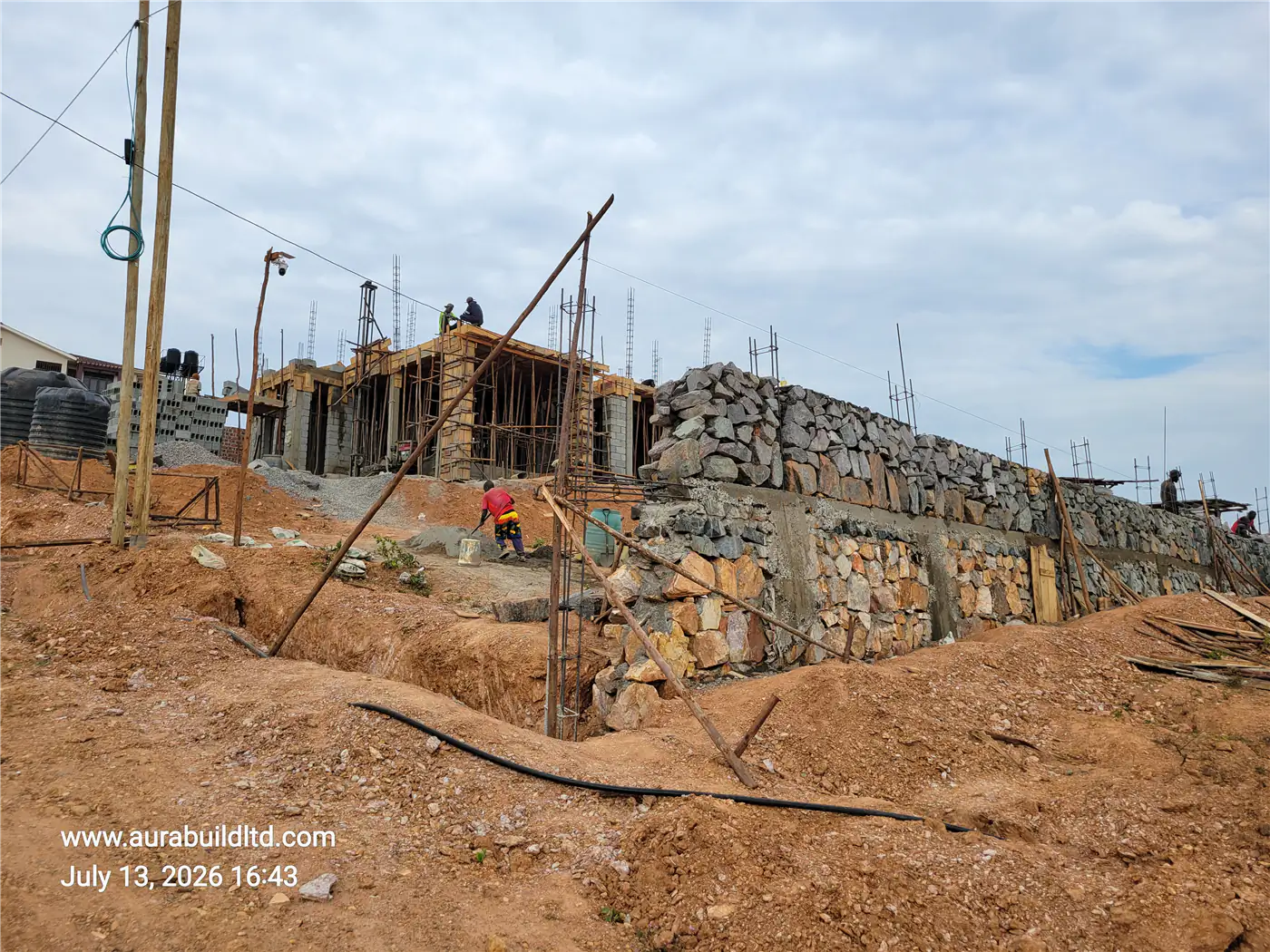
During an audit of a commercial site in Kampala recently, we discovered the BOQ charged for 38% more block work than the actual walls measured on the drawings. On a UGX 180 million project, that single "mistake" cost the developer UGX 12.4 million in fake expenses.
3. Charging You Twice (Duplicated Rates)
This happens when the exact same job is given two different names. For example, you might be charged for "digging foundation trenches" and then charged again further down the page for "earthworks to the substructure." It's the same dirt being moved, but you're paying twice.
4. Jacking Up the Prices
This is simply ignoring market rates. A bag of cement might cost UGX 34,000 at the hardware store, but the BOQ lists it at UGX 42,000. Steel reinforcement might cost UGX 3,400 per kilo, but it's priced at UGX 4,200. When multiplied across thousands of items, these "small" margins add up to millions of shillings.
5. The "Bait and Switch" (Specification Upgrading)
The BOQ charges you for premium, high-quality materials, but standard, cheaper materials are actually used on site. You pay the price for imported hardwood doors, but the contractor installs cheap softwood frames.
How to Spot a Fake BOQ
| The Warning Sign | What it means | What you should do |
|---|---|---|
| The total price feels way too high | The contractor is inflating rates | Ask for a cost per square meter to compare with similar buildings. |
| Vague descriptions like "Sundries" | They are hiding unitemized costs | Demand that every single item be clearly listed. |
| No reference to the actual drawings | The BOQ was guessed, not calculated | Make sure every item links back to a specific architectural drawing. |
| Lots of perfectly round numbers | Real measurements have decimals | Ask to see the "measurement sheets" showing the math. |
Your Best Defense: Hire an Independent QS
The single best way to protect your money is to hire an independent Quantity Surveyor. This is a professional paid directly by you, the developer—not by the contractor building the house. Members of the Institution of Surveyors of Uganda (ISU) are bound by professional ethics. A good QS will:
- Create their own BOQ from scratch using your architect's drawings.
- Check current market prices to make sure you aren't being overcharged for materials.
- Double-check all the math using professional measurement software.
- Review the contractor's quotation line by line against their independent numbers.
- Monitor the site to ensure the materials you paid for are actually delivered.
Is a QS Worth the Money?
Many developers think hiring a Quantity Surveyor is just another annoying fee. The numbers tell a different story:
| Project Size | Typical QS Fee (3-5%) | Money Saved from catching Fraud | Your Net Benefit |
|---|---|---|---|
| UGX 100 Million | UGX 3-5M | UGX 15-30M | You save UGX 10-27M |
| UGX 300 Million | UGX 9-15M | UGX 45-90M | You save UGX 30-81M |
| UGX 500 Million | UGX 15-25M | UGX 75-150M | You save UGX 50-135M |
What a Real BOQ Looks Like
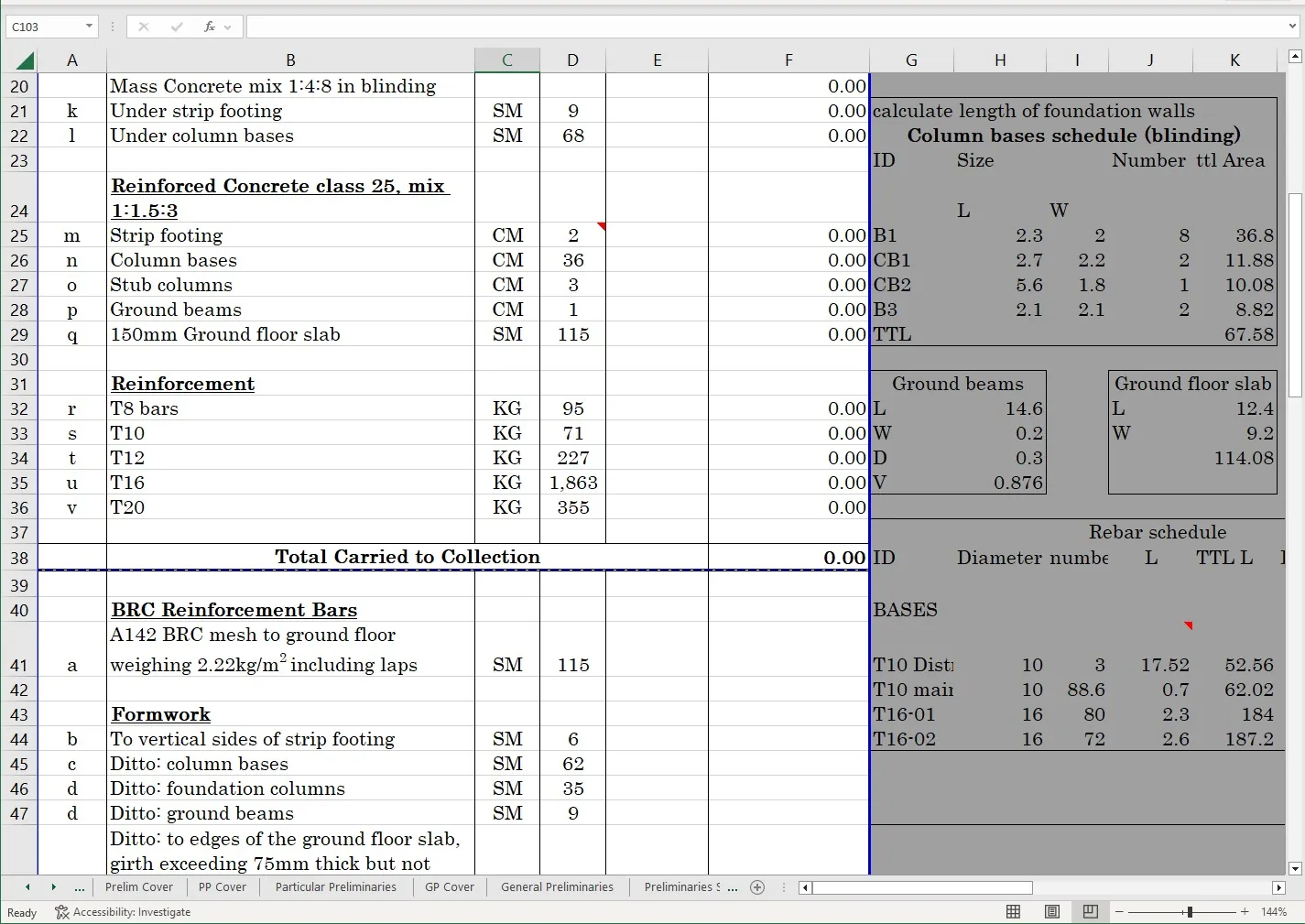
If your BOQ is professional, it will have these sections clearly defined:
- Preliminaries: Costs for setting up the site, insurance, health, and safety.
- Measured Works: Every single item calculated from the drawings, with clear quantities and rates.
- Provisional Sums: Only used for things that are genuinely hard to guess right now (like the exact cost of the final water connection).
- Measurement Sheets: The actual math showing how they arrived at the quantities.
A BOQ isn't just a shopping list; it's a legal contract. If your contractor refuses to show you their measurement sheets, they are hiding something.
Are you worried that your construction costs are spiraling out of control? Contact Aura Build Ltd. Our independent Quantity Surveyors will review your BOQ, spot the red flags, and bring your budget back to reality.