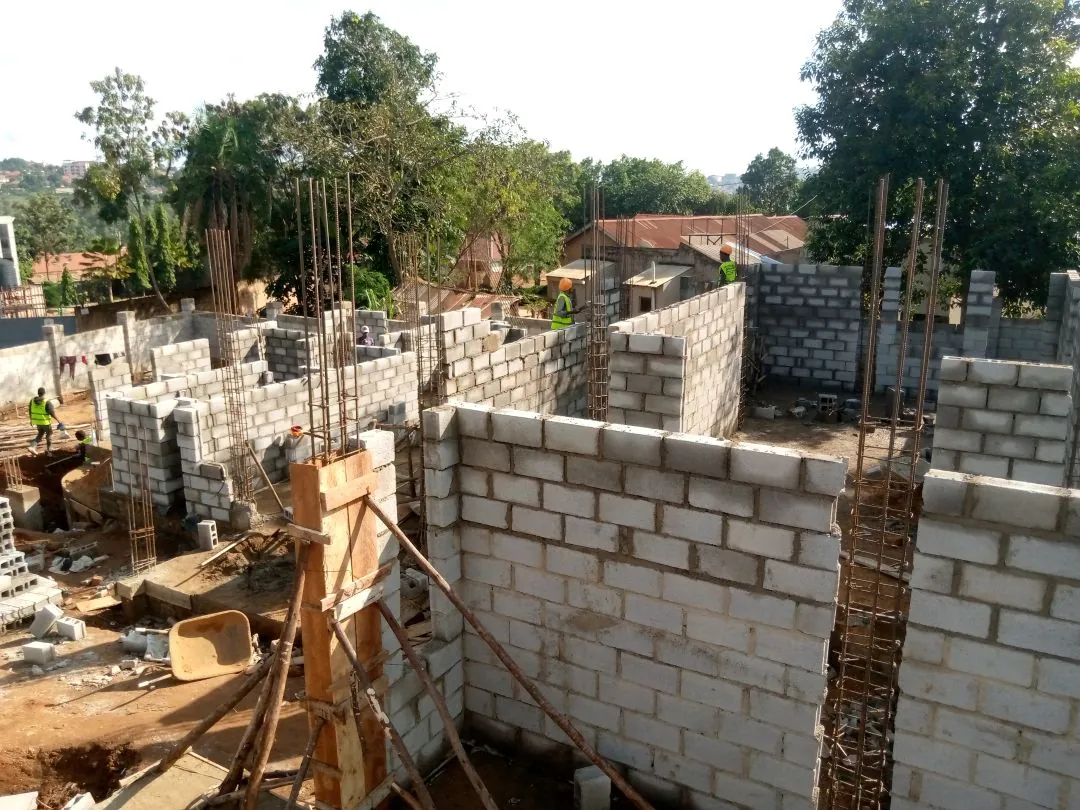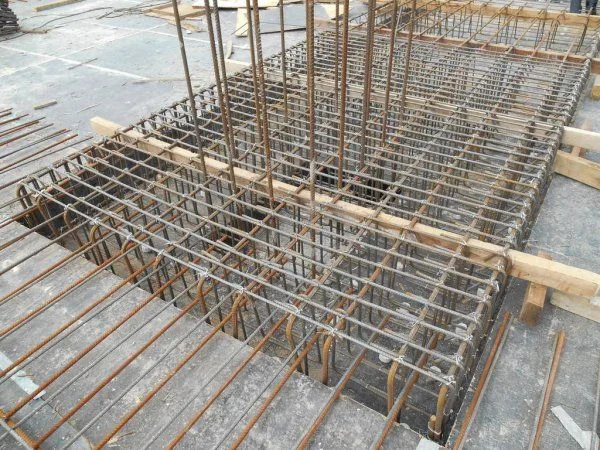
Steel reinforcement acts like the skeleton of any concrete building. Here in Uganda, where construction is booming, the quality of the steel bars (rebar) you use in your columns, beams, and foundations is what keeps your building standing strong for decades.
Unfortunately, many developers—and sometimes even contractors—buy steel based only on what's cheapest or closest to the site. They rarely check the actual strength of the metal. To see what's really going on, we took five of the most popular steel brands sold in Kampala and had them tested in an independent lab. We looked at the things that actually matter: how much weight the steel can take before it bends, how much it can stretch before it breaks, and what it's made of.
Why Testing Your Steel is a Big Deal
When a structural engineer designs your house, they rely on the steel having a certain strength. For example, if they design a column assuming the steel bars can handle 500 MPa of stress (the standard for high-yield steel), but the steel you buy only handles 420 MPa, that column is secretly weak. Over time, the building could sag, crack, or even collapse without warning.
In Uganda, all steel should meet the minimum requirements set by the Uganda National Bureau of Standards (UNBS), specifically matching standards like EAS 412:2005 and BS 4449:2005. Our lab tests compared local brands directly against these strict rules.
How We Did the Test
We went to standard hardware stores in Kampala and bought Y12 and Y16 ribbed bars from five different popular brands. We didn't tell the manufacturers. Then, we took them to a certified materials lab and put them into a Universal Testing Machine to see how they handled pressure. We tested three bars from each brand to make sure the results were fair.
Here is what we checked:
- Yield Strength (Re) — The exact point where the steel bends and won't go back to its original shape. For high-grade steel, it must be at least 500 MPa.
- Tensile Strength (Rm) — The maximum pulling force the steel can take right before it snaps into two pieces.
- Elongation — How much the steel can stretch like a rubber band before breaking. It must stretch at least 5%. This stretchiness (ductility) is what saves buildings during earthquakes.
- Tensile/Yield Ratio — A math check to ensure the steel has enough "warning time" to bend before it suddenly snaps.
The Results (For Y16 Bars)
| Brand | Yield Strength (MPa) | Tensile Strength (MPa) | Ratio | Stretch (Elongation) | Final Result |
|---|---|---|---|---|---|
| Brand A | 542 | 621 | 1.15 | 21.6% | ? Excellent Pass |
| Brand B | 518 | 598 | 1.15 | 18.4% | ? Pass |
| Brand C | 507 | 572 | 1.13 | 16.2% | ? Pass |
| Brand D | 496 | 551 | 1.11 | 14.8% | ?? Borderline |
| Brand E | 463 | 512 | 1.11 | 12.1% | ? Fail |
What This Means for You
Out of five brands, three passed the 500 MPa strength test comfortably. One barely missed the mark, but one failed completely. If you built a high-rise using Brand E, your building would have 7% less structural strength than the engineer designed for. On the bright side, Brand A had an amazing 21.6% stretch limit, meaning it's highly flexible and very safe.
What's Inside the Metal? (Chemical Test)
We also checked the "recipe" used to make the steel:
- Carbon — Makes the steel hard. If there's too much, the steel becomes brittle and breaks easily when your builders try to bend it.
- Manganese — Gives the steel its strength. Brand A had great manganese levels, which is why it performed so well.
- Phosphorus & Sulphur — These are basically impurities. If levels are too high, the steel can crack when it gets cold or when it's welded. Thankfully, all five brands kept these impurities low.
Why "Stretchiness" Saves Lives in Western Uganda
If you are building in places like Kasese, Fort Portal, or Kabale, you need to think about earthquakes. The Albertine Rift valley has active fault lines.
During an earthquake, you don't want your building's steel to be stiff and brittle; you want it to bend and sway without snapping. Brand A's ability to stretch by 21.6% means it absorbs earthquake energy much better than Brand E. This flexibility is literally the difference between a building swaying and a building falling down.
Smart Advice Before You Buy
- Ask for the paperwork — When the truck delivers your steel, ask the driver for the "mill certificate." This is the factory's guarantee of strength.
- Test it yourself — If you are building anything over two stories, spend a little money to test a few bars at an independent lab. It's very cheap compared to the cost of a collapse.
- Be specific — Don't just tell your foreman to "buy Y16 bars." Tell them to buy "Y16 bars that meet UNBS and BS 4449:2005 standards."
- Check the ridges — High-quality steel has clear, deep ridges (ribs) that help it grip the concrete. Avoid bars that look too smooth.
Your building is only as strong as the steel buried inside the concrete. Testing isn't an extra cost—it's the only way to be sure you got what you paid for.
Want to make sure your project uses the best materials without getting cheated? Talk to the engineers at Aura Build Ltd. We handle strict quality control so you don't have to worry.