Why "Quick" is the most expensive word in Ugandan construction.
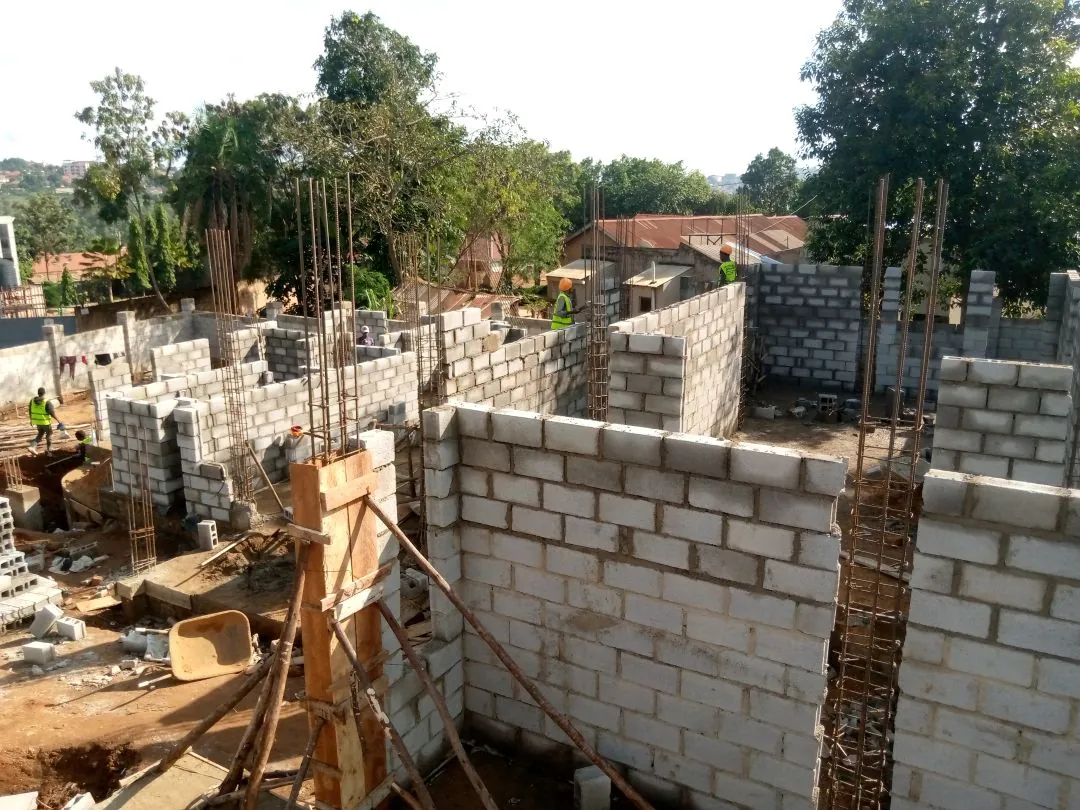
In the rush to finish residential rentals and commercial properties, many Ugandan developers unknowingly sanction a catastrophic engineering error: the premature stripping of formwork. It is frighteningly common to see site foremen removing the timber supports from a newly poured slab within 48 to 72 hours of pouring.
This prioritization of speed over physical chemistry is a multi-generational mistake that guarantees structural failure.
The Chemistry of Hardening (Hydration)
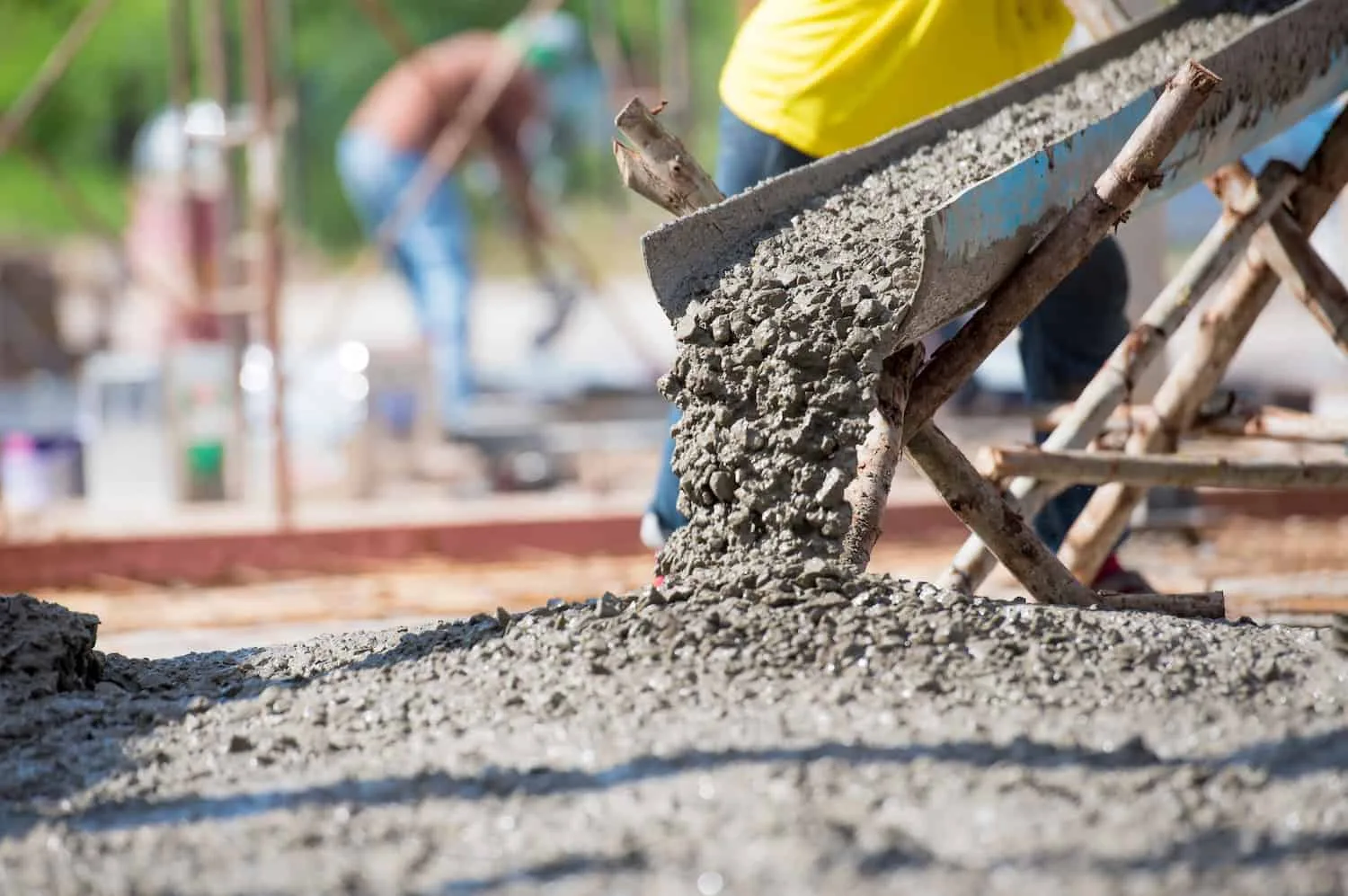
Contrary to popular belief, concrete does not "dry." It hardens through a complex, exothermic chemical reaction known as hydration. When water mixes with cement, chemical crystals grow and interlock, binding the sand and aggregate together into artificial rock.
Proper curing requires maintaining strict control over moisture levels and ambient temperature to ensure this reaction runs to its maximum potential. If the water evaporates before the crystals have finished growing, the concrete stops hardening entirely. It will never gain its full strength.
The Danger of the Kampala Climate
In Kampala's variable climate, exposing a freshly poured, unsupported slab to high ambient temperatures and wind accelerates rapid surface evaporation.
- If the internal relative humidity of the concrete drops below 80%, the hydration process permanently ceases.
- Stripping formwork at 48 hours effectively denies the slab both the physical structural support it desperately requires, and the moisture-retaining barrier (the timber itself) necessary during its most vulnerable developmental phase.
The Cost of Aborted Hydration
The structural and financial consequences of stopping this chemical process are devastating:
- 50% Strength Loss: Concrete subjected to improper curing may suffer a permanent 30% to 50% reduction in its designed compressive strength. You paid for Grade 25 concrete, but you are getting the strength of Grade 10.
- Plastic Shrinkage Cracking: Rapid moisture loss induces severe plastic shrinkage, causing microscopic and macroscopic cracking across the surface of the slab.
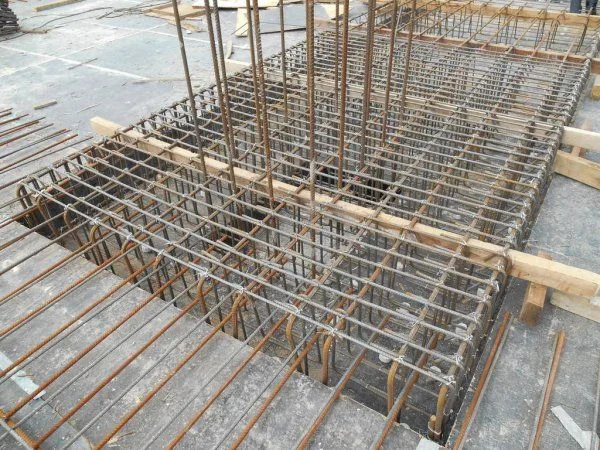
- Accelerated Corrosion: These fissures initiate a process called carbonation, which lowers the pH of the concrete, attacks the internal steel reinforcement grid, and induces accelerated corrosion (rust) of the steel bars.
The Golden Rule of Curing
To secure the 50-year structural lifespan of a building, concrete must remain fully supported and continuously moist-cured to achieve the critical 70% strength threshold. This typically takes at least 7 days of continuous wetting and support. Do not let your site team rush this process.
Are you concerned about the quality of concrete being poured on your site? Contact Aura Build Ltd for professional structural engineering supervision and quality control.