Why don't Ugandans build in the wet season? And what happens if they do?
A pervasive trend across Uganda's real estate sector is the immediate suspension of private building activities during the intense bi-annual wet seasons (March–May and September–November). If you talk to a local builder, they will often advise you to pause the project until the dry season returns.
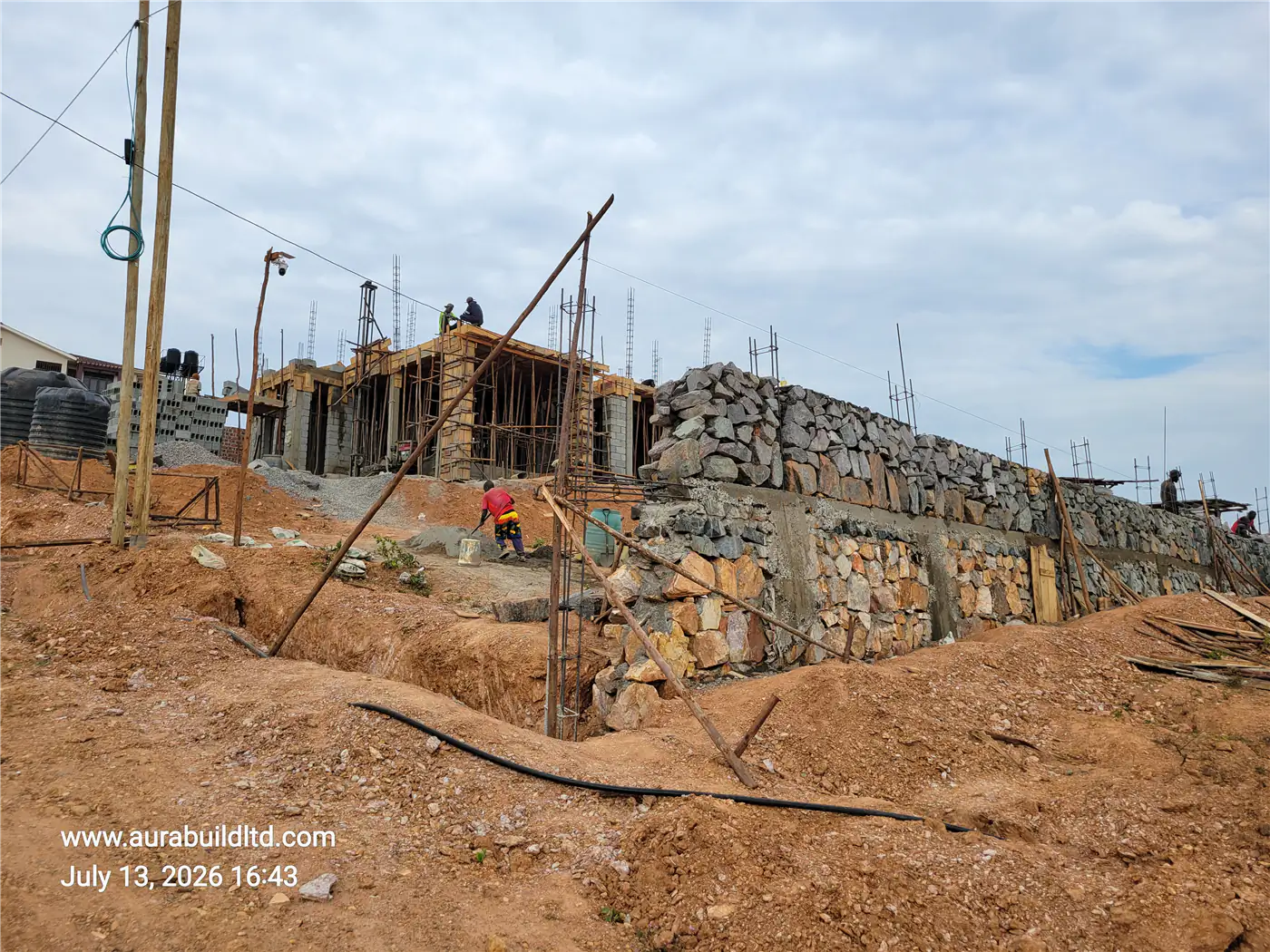
This aversion is rooted in genuine logistical realities. Heavy rains lead to muddy, inaccessible sites, a high risk of moisture exposure ruining stacked cement bags, and the constant threat of open foundation trenches eroding and collapsing. Furthermore, structurally speaking, the high hydrostatic pressure during the rains easily exposes any failures in a building's Damp Proof Course (DPC), leading to rising damp and wall damage.
The Strategic Engineering Advantage
While the informal sector shuts down, professional engineering firms actually leverage the wet season as a strategic advantage. When managed correctly, building in the rain offers unique technical benefits that are impossible to replicate during the harsh dry months.
1. The Perfect Curing Environment
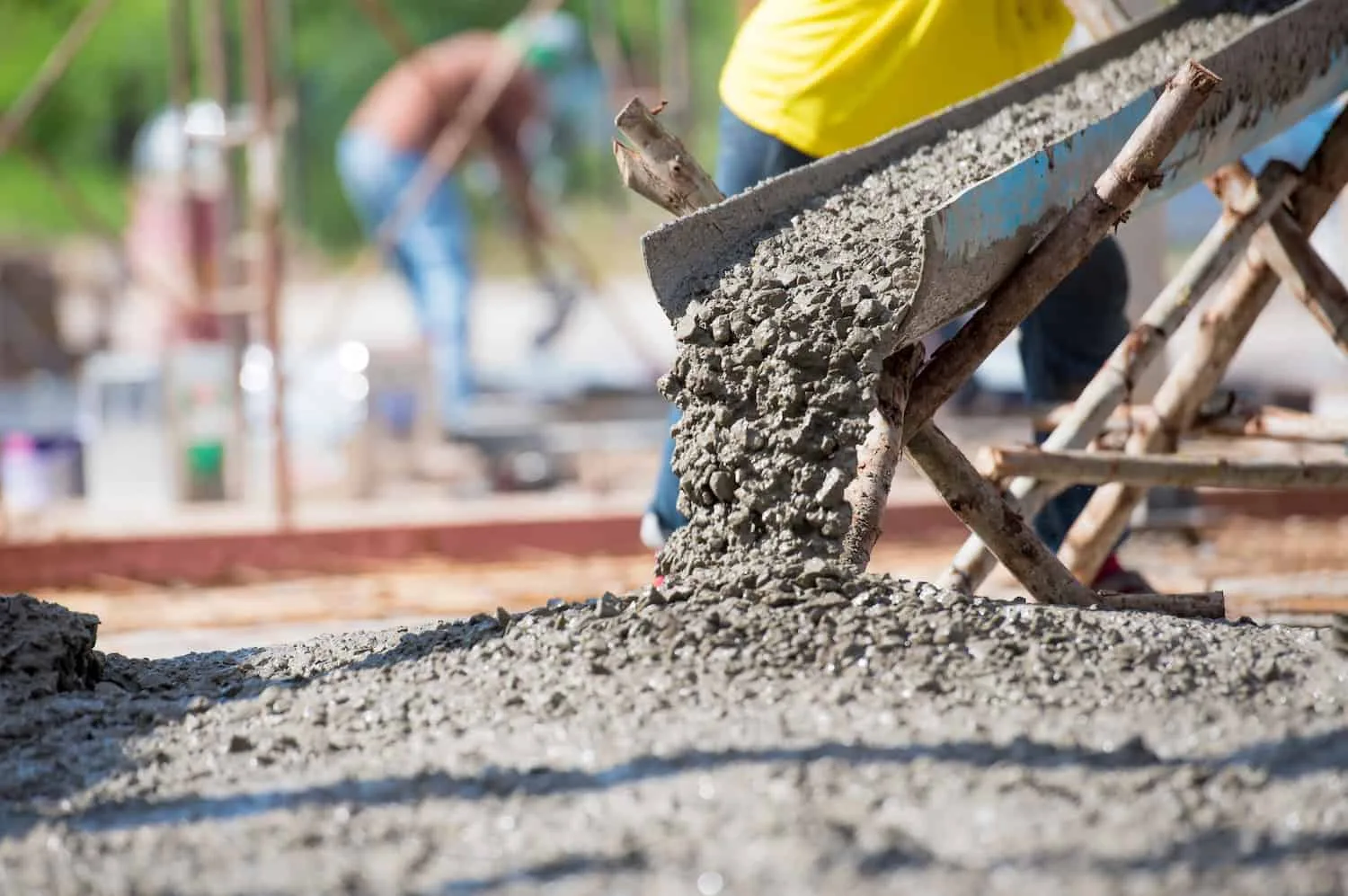
Concrete needs moisture to reach its maximum strength. Sustained rainfall provides an optimal, highly humid, and cooler natural environment for the curing of mass concrete elements (like your ground floor slab, columns, and ring beams). This natural moisture drastically reduces the risk of "plastic shrinkage cracking"—those tiny cracks that form when concrete dries out too quickly under the hot Ugandan sun.
2. Real-Time Drainage Testing
The total saturation of the soil profile during the wet season allows geotechnical engineers to accurately observe peak water retention and drainage failures in real-time. We can see exactly where the water pools on your 50x100 plot, how fast it drains, and where it threatens to undermine the foundation.
This real-world data enables us to design highly resilient drainage infrastructure, soak pits, and waterproofed retaining walls that are perfectly tuned to your specific site. It is nearly impossible to accurately model these extreme water flows during a dry January.
How We Mitigate the Risks
To safely build during the rains, we deploy strict site management protocols:
- Trench Shoring: We never leave deep foundation trenches exposed for long periods. If we excavate, we shore the sides or pour the concrete blinding immediately to prevent collapse.
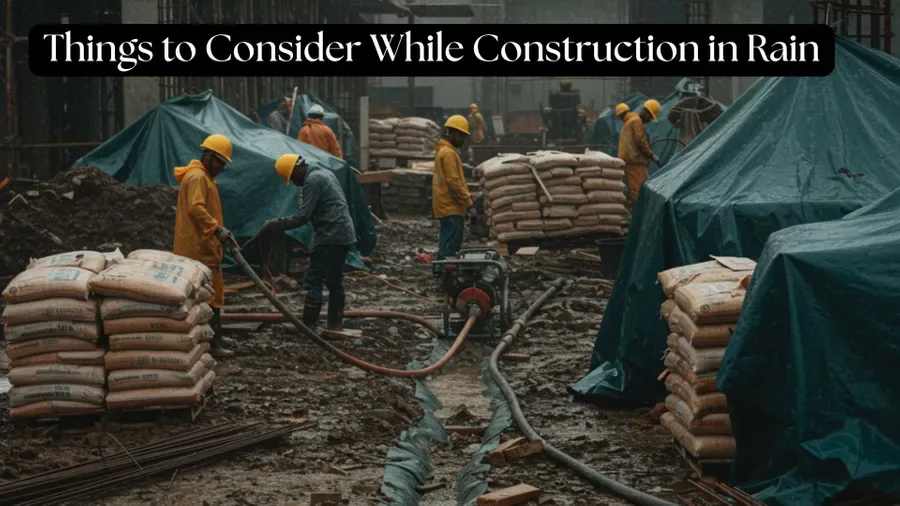
- Material Protection: All cement and steel are elevated on pallets and secured under heavy-duty tarpaulins to prevent moisture degradation and rust.
- Pumping and Dewatering: We maintain active water pumps on-site to continuously dewater excavations before any concrete is poured, ensuring the foundation sits on solid, undisturbed earth, not mud.
Don't let the rainy season delay your project. With the right engineering team, you can build safely, continuously, and actually achieve stronger concrete. Speak to Aura Build Ltd today to plan your next construction phase.